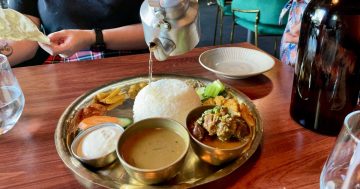


Region food writer Lucy Ridge has a pretty great job. Photo: Michelle Kroll.
As a food writer, I truly believe I have one of the best jobs in the world: I get to eat food for a living! And I’ve found over the years that people are curious about what exactly this role entails, so after five years on the job, I thought it was time I answered a few of your questions.
Do you eat at restaurants every day?
First of all, and this is important, I do this job part-time, and I like it that way. Dining out five days a week would be terrible for my health, and I fear I would quickly become jaded.
Two days a week gives me plenty of opportunities to taste amazing food while staying genuinely excited about my work and (most importantly) avoiding an early heart attack.
As a former chef, I also really enjoy cooking, and I would miss that dearly if I were always eating at restaurants. After dining out for a couple of days in a row, I enjoy making something simple, fresh and nutritious.
Do you get lots of free meals?
Yes and no.
Sometimes, new restaurants will host media launches with free food and drinks. This is a common way for them to get some buzz around their opening.
Usually I pay my own way and am reimbursed by Region, so there’s no worry a free meal will influence my writing.
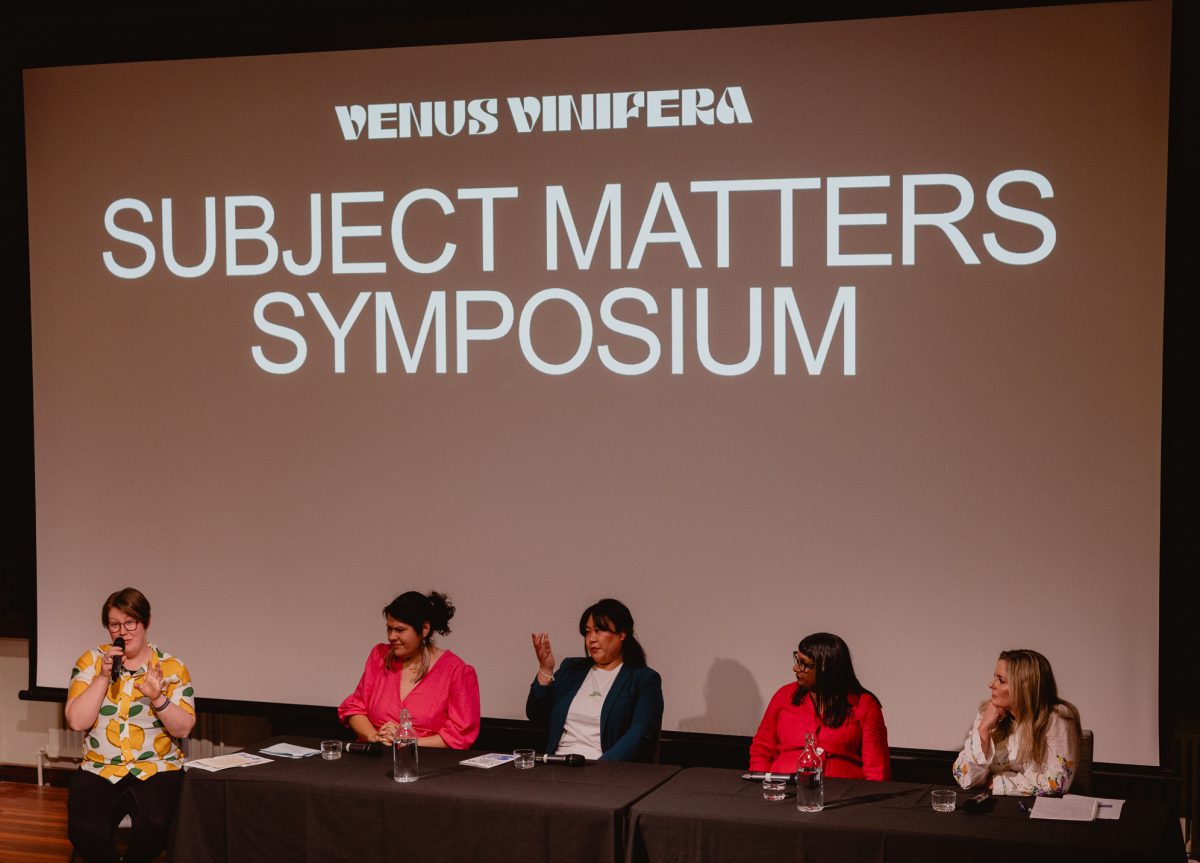
Lucy’s role as an ‘out’ food writer has given her opportunities, like moderating panels of industry experts, public speaking, mentoring, and even writing her own book. Photo: Venus Vinifera.
Do you dine at restaurants anonymously?
Again, yes and no. This one gets complicated.
Canberra is a small town and the hospitality industry here is fairly tight-knit (as it is in the other areas Region covers).
I worked as a chef for over a decade, so plenty of people know me from that time. And my role isn’t just about doing restaurant reviews, sometimes it’s interviewing local business owners about the state of the industry, telling the story behind their restaurant or interviewing chefs about their work. And it would be impolite (at best) to try to do that anonymously.
Having said that, I don’t announce myself when I visit a restaurant. I’m not arrogant enough to assume everyone knows who I am, so there are plenty of times when I dine out as a ‘civilian’.
For many years, anonymity was considered the gold standard of restaurant reviews, but that’s simply not feasible in a post-internet era – and I’ve been on social media since I was in high school.
Former SMH reviewer Matthew Evans wrote in his 2006 memoir Never Eat Chicken on a Monday (a great read, BTW) about donning increasingly ridiculous disguises to try to outwit restaurateurs.
Reviewer for The Age, Besha Rodell, recently ‘came out’ of anonymity (in part to sell her own memoir, A Hunger Like a Thirst) and admitted that she was tired of the pressure of avoiding photos and lying to acquaintances about her job in an effort to stay under the radar.
And it’s also worth noting that while The Good Food Guide might tout the credentials of its anonymous reviewers, it’s usually an open industry secret when its team is in town.
I’ve been part of the industry long enough to know when I am getting special treatment because of who I am, and I’m very careful not to let this colour my opinion of a restaurant.
And I like being ‘out’ as a food writer. I’ve been able to bring my full, authentic self to the job and branch out to write about other passions, like music, preserving and environmental issues. And it’s opened up amazing opportunities for me (like writing a book! Fed Up: a chef’s adventures in food, farming & feminism, now available at all good bookshops).
This job has given me the chance to connect with people, build trust and even make genuine friendships. This trust means that people feel comfortable speaking with me and sharing their experiences. It also means that I am held accountable for my work by the community, and I have to stand by whatever I write: my accessibility keeps me honest.
And perhaps the biggest reward is hearing that my work has improved business for a cafe or restaurant.
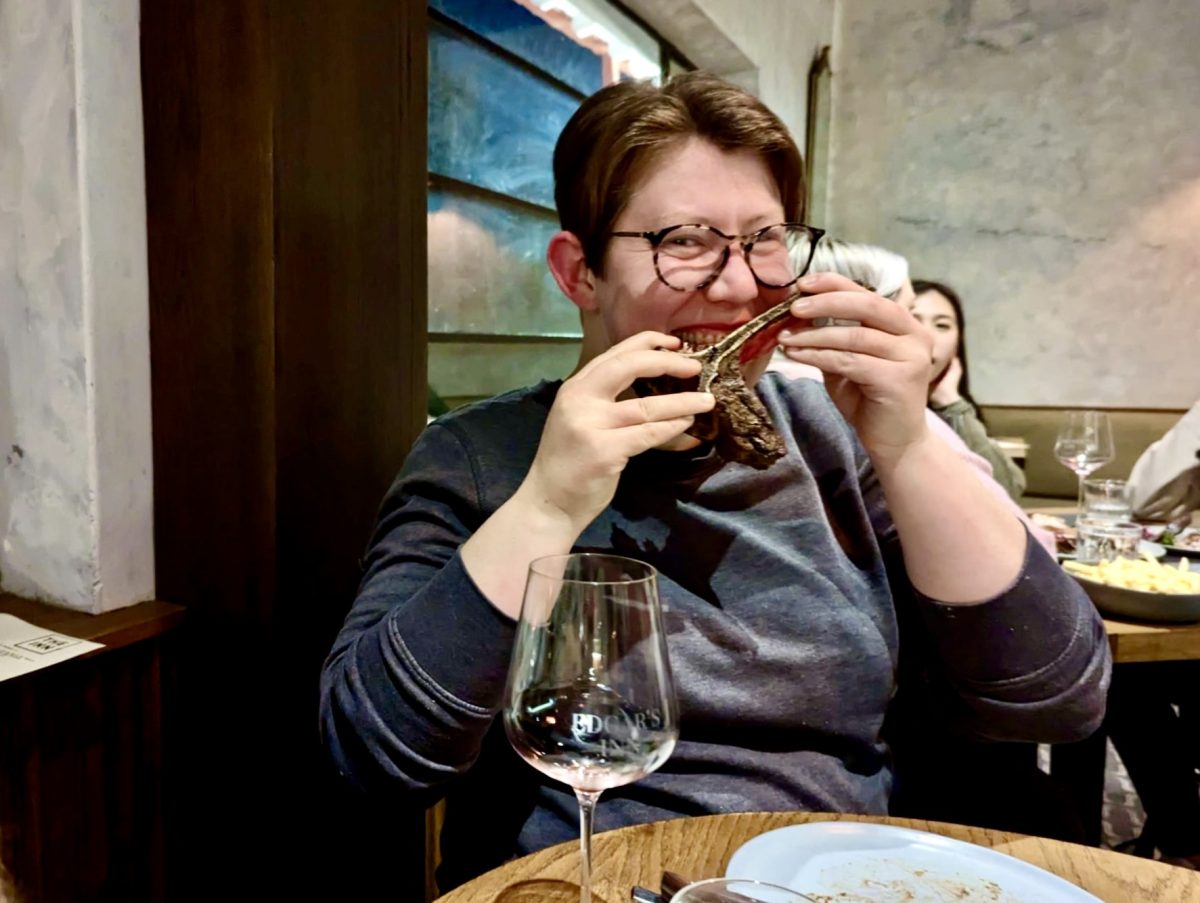
Yup: sometimes the job is as good as it looks!
How do you choose what to write about?
Sometimes it’s word of mouth, or I’ll trawl Instagram for something that looks tasty; I might get a tip-off from a fellow foodie, and sometimes a chef will email [email protected] and say, “Hey, are you interested in visiting my cafe?”
Occasionally, you, the reader, will suggest your favourite places in the comment section (yes, I read the comments), and if I’m interested, I’ll check it out. Of course, it’s not possible to write about everywhere, but I do my best to get around. I’ve even been known to hover over the map for suburban shops to see what hidden gems are out there.
What do you do if the food is bad?
This is a tricky one!
Generally speaking, Region has a policy of not publishing exclusively bad reviews. We’re not in the business of punching down on small businesses; if a venue isn’t good, they won’t last long. And there’s always the chance that I visited on an off night: maybe their regular chef was away, or they were understaffed, or something else had gone wrong. Usually, we would choose not to publish anything at all.
At the end of the day, I am privileged enough to live in a city with a thriving food scene and there are more than enough positive stories to fill my time.
A personal exception to this rule is fine-dining restaurants. At high price points, it’s fair to have high standards. So while I can forgive minor mistakes at a small, family-run, suburban restaurant, I will be harsher on expensive restaurants. If you’re spending your hard-earned money on a special occasion meal, you deserve to know that it will be worth it!
Do you have any more questions about being a food writer?
Original Article published by Lucy Ridge on Region Canberra.